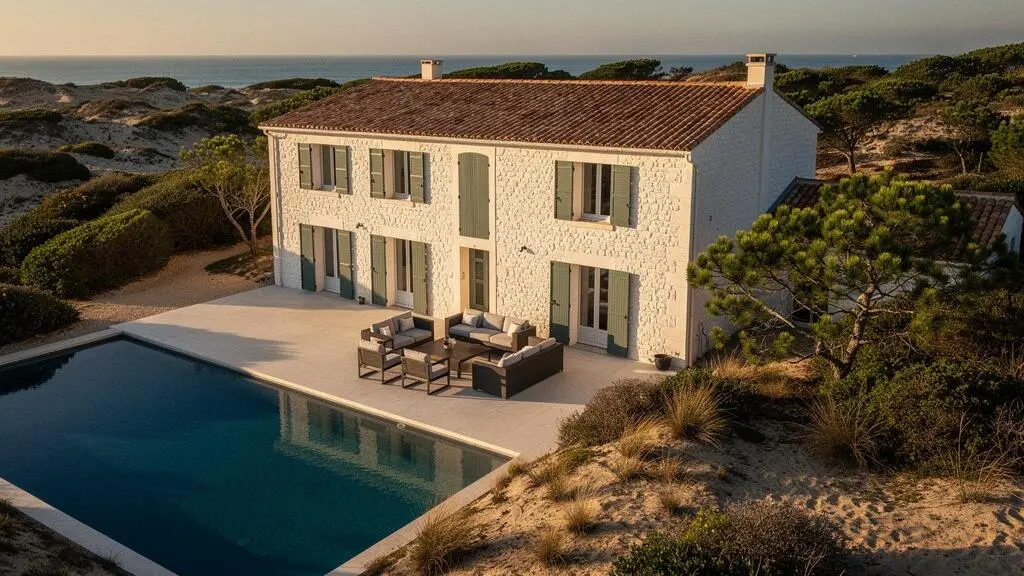
Scrolling through villa listings from thousands of miles away, the photographs look flawless. Infinity pools shimmer under French sunlight, terraces promise sunset aperitifs, and every room appears magazine-ready. Yet the distance between a beautiful photograph and a genuinely exceptional stay often measures far wider than the Atlantic Ocean separating San Francisco from the Île de Ré.
For discerning American families investing significant resources into a European villa experience, the fundamental challenge remains unchanged: how to distinguish authentically exceptional properties from skillfully marketed ordinary ones when physical inspection proves impossible. A 2026 Flywire survey of more than 500 U.S. luxury travelers found that 79% plan to increase travel spending in 2026, with respondents prioritizing personalized, exclusive experiences over traditional markers of extravagance. This shift places even greater emphasis on verifiable quality rather than superficial luxury signaling.
The answer lies not in trusting marketing language, but in understanding the measurable criteria and operational realities that professional selectors use to evaluate properties. These standards reveal what photographs deliberately obscure and what listings strategically omit.
- What defines an exceptional private villa on the Île de Ré?
- The magnetic appeal of Île de Ré for discerning travelers
- How do you identify a genuinely curated villa experience?
- All-inclusive services: where standard rentals diverge from immersive stays
- What does a 24-hour concierge actually deliver during your stay?
- Strategic planning: essential considerations for a seamless Île de Ré escape
What defines an exceptional private villa on the Île de Ré?
The term “exceptional villa” appears throughout rental listings with such frequency that it has lost meaningful distinction. Professional selection standards, however, establish verifiable thresholds that separate genuinely premium properties from ordinary high-end rentals adorned with aspirational language.
An exceptional private villa on Île de Ré meets specific baseline criteria before qualitative assessments even begin. Minimum four bedrooms ensure sufficient space for family privacy and guest separation. A private heated pool—not merely present, but properly sized at 10 meters or longer—transforms from decorative feature to functional amenity for families with children or teenagers. Extensive private gardens with mature coastal vegetation provide true seclusion rather than token outdoor space bordered by neighboring properties.
Beyond these structural minimums, exceptional status depends on details invisible in photographs. Premium properties feature hotel-grade mattresses replaced on professional schedules, water pressure systems designed for simultaneous multi-bathroom use, and effective soundproofing between sleeping quarters. Standard vacation rentals often substitute domestic-quality furnishings that photograph adequately but fail to deliver the tangible comfort guests expect at luxury price points.
Objective evaluation checklist: Exceptional villas provide specific dimensions for pools and living areas, identify mattress quality by name and specification, detail water heating capacity, specify garden size in square meters, and document recent renovation dates with verifiable records. Listings relying exclusively on subjective descriptions like “spacious” or “comfortable” without measurable details warrant additional scrutiny.
Location within Île de Ré itself stratifies properties into distinct tiers. Proximity to both preserved beaches and authentic villages—walkable or within short cycling distance—distinguishes properties offering authentic immersion from those requiring constant vehicle dependence. The island’s most sought-after positions balance coastal access with village authenticity, avoiding both isolated rural locations and overdeveloped tourist corridors.
Agencies like Holiday rental Agency TRAVEL PARADISE apply systematic inspection protocols that test these criteria through on-site verification rather than accepting owner representations. This professional curation process filters the substantial gap between marketing claims and physical reality.
The magnetic appeal of Île de Ré for discerning travelers
American luxury travelers increasingly seek European coastal destinations that offer sophistication without the commercialization characterizing more famous alternatives. Île de Ré occupies a distinctive position: an island that preserves authenticity while maintaining infrastructure adequate for international visitors accustomed to reliable services.
Unlike the heavily developed Côte d’Azur or celebrity-saturated Saint-Tropez, Île de Ré enforces architectural preservation standards that maintain its traditional character. White-painted houses with sage-green shutters remain legally protected. Development restrictions prevent the high-rise hotel construction that transforms coastlines into generic resort corridors. The result resembles what the Hamptons or Nantucket might have been decades ago—exclusive but genuinely coastal, refined without being artificial.
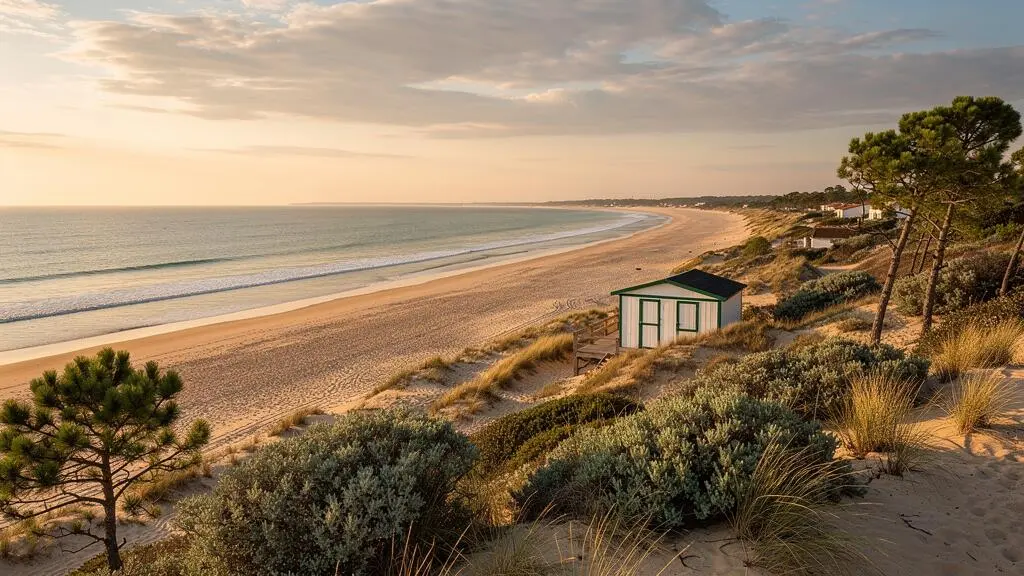
The island’s accessibility resolves a common concern for families traveling from the United States. A bridge connects Île de Ré to the mainland, eliminating ferry schedules and weather-dependent crossings that complicate logistics with children and luggage. La Rochelle’s international airport lies approximately 30 kilometers away, with reliable transfer services covering the distance in under 45 minutes under normal traffic conditions.
According to the U.S. Department of State, American citizens may enter France and the Schengen area for up to 90 days without a visa for tourism purposes, subject to standard passport validity rules. This regulatory simplicity removes visa processing complications that characterize travel to certain other luxury destinations.
The island attracts an international clientele seeking discretion over ostentation—Parisian families maintaining multi-generational vacation traditions, northern European professionals cycling between villages, and increasingly, North American travelers discovering an Atlantic coastal alternative to Mediterranean crowds. This demographic composition creates an environment where luxury expresses itself through quality and authenticity rather than conspicuous display.
How do you identify a genuinely curated villa experience?
The distance separating marketing photography from physical reality becomes apparent only through systematic on-site inspection. Professional villa selection requires evaluating dozens of criteria invisible in online listings, from water pressure adequacy to actual noise levels at different times of day.
Mattress quality exemplifies this gap. A listing might describe “premium bedding,” but on-site inspection reveals whether this means hotel-specification mattresses replaced within the past three years or aging domestic mattresses that photographed acceptably. Water heating capacity determines whether a family of four can shower consecutively without temperature fluctuations—a comfort factor entirely absent from property descriptions but critical to daily experience.
Acoustic privacy between bedrooms matters substantially for families with teenagers or multi-generational groups, yet listings rarely address soundproofing quality. Properties with inadequate acoustic separation create discomfort that no amount of visual appeal compensates for. Professional inspectors test these elements directly rather than relying on architectural drawings or owner assurances.
Photograph limitations: Wide-angle lenses exaggerate room dimensions by 15-30%, making spaces appear substantially larger than physical reality. Staged furniture often measures smaller than standard pieces to enhance perceived space. Professional photography schedules shoots during optimal light conditions that may occur only briefly each day, creating impressions of brightness that don’t match typical usage hours.
Local expertise proves equally critical for evaluating location claims. A villa marketed as having “ocean views” might technically offer such views from a single upstairs window at a specific angle. Properties described as “near the beach” could require 20-minute walks along roads without sidewalks—feasible for adults but impractical for families with young children. Noise from nearby roads, seasonal restaurant operations, or morning delivery schedules affects livability in ways photographs never capture.
Curated selections verify operational responsiveness before listing properties. Testing how quickly property managers respond to inquiries, their fluency in English, and their ability to coordinate services reveals whether 24-hour support represents genuine infrastructure or a phone number that may or may not be answered. Exceptional properties maintain dedicated local teams rather than relying on distant management companies juggling hundreds of listings.
All-inclusive services: where standard rentals diverge from immersive stays
The phrase “all-inclusive” migrated from resort hotels to villa rentals without acquiring consistent definition. Understanding precisely which services are systematically included versus which require additional coordination prevents the budget surprises and logistical frustrations that undermine luxury experiences.
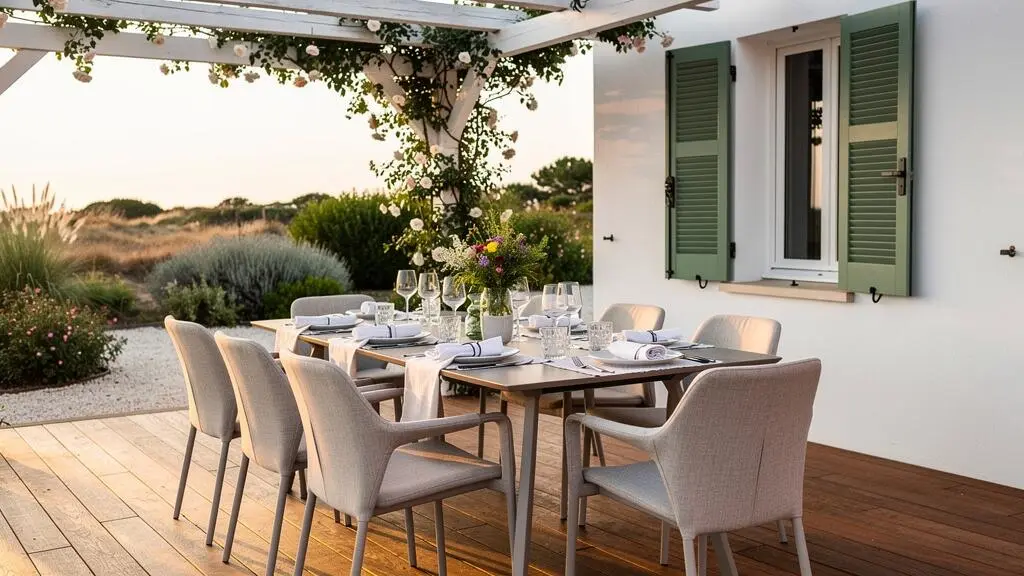
Truly all-inclusive luxury villas on Île de Ré systematically provide hotel-grade linens (300-thread-count or higher), bath towels, and pool towels changed mid-stay for week-long rentals. Premium welcome provisions stock kitchens with quality basics—local wines, artisanal bread, regional cheeses, fresh fruit, and pantry essentials—eliminating the immediate post-arrival shopping obligation that disrupts vacation transitions.
Daily or mid-stay housekeeping maintains hotel standards rather than leaving cleaning to guests or requiring separate service coordination. Bicycles for all family members, properly maintained and sized appropriately for children and adults, are included rather than listed as paid extras. Beach equipment, quality outdoor furniture, and entertainment amenities function as standard provisions rather than optional upgrades.
Services typically remaining customizable include private chef arrangements, guided activities, spa treatments, and specialized transportation. These personalized elements resist standardization because they depend on specific preferences, dietary requirements, and scheduling. However, exceptional properties maintain relationships with vetted local providers, offer transparent pricing, and handle coordination as part of concierge services rather than directing guests to research and book independently.
- Hotel-grade bed and bath linens with mid-stay replacement for week-long stays
- Premium welcome provisions including local wines, fresh bread, and regional products
- Housekeeping service frequency specified in days, not vague “regular cleaning”
- Bicycles quantity, sizing range, and maintenance condition documented
- Pool heating and maintenance schedule clearly defined
- Firewood provision for properties with fireplaces (seasonal)
- Parking capacity and security measures detailed
The economic value becomes apparent through comparative analysis. Coordinating these services independently—sourcing quality linens, arranging mid-stay cleaning, renting bicycles from separate vendors, purchasing welcome provisions—consumes hours of research and coordination while likely costing more than integrated packages due to retail pricing versus professional negotiated rates.
What does a 24-hour concierge actually deliver during your stay?
The distinction between a telephone number and a functional hospitality team determines whether “24-hour concierge” represents actual support infrastructure or marketing language. This operational difference directly addresses the primary anxiety international families face: accessing responsive assistance when problems arise far from home.
Direct answer: A dedicated villa concierge comprises a local hospitality team—typically including an on-site or nearby property manager, housekeeping staff, and technical maintenance contacts—with guaranteed response protocols (immediate for emergencies, within two hours for urgent requests, same-day for standard needs) rather than a generic phone line reaching distant staff managing multiple properties across regions.
Exceptional concierge operations maintain physical presence on Île de Ré rather than routing requests through call centers in other cities. When a dishwasher malfunctions mid-stay, a local team can dispatch a technician that afternoon rather than scheduling service for three days later. When a child develops an allergic reaction requiring medical attention, the concierge coordinates an English-speaking doctor within the hour rather than providing a list of hospitals for guests to contact independently.
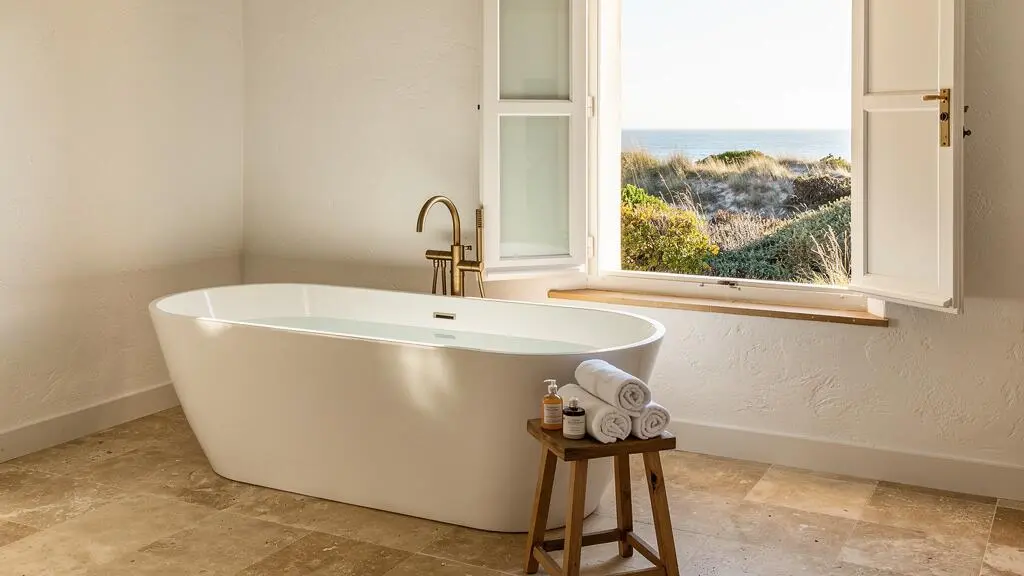
Proactive service distinguishes premium concierge operations from reactive problem-solving. Before arrival, the team confirms dietary preferences, allergies, and special occasions to personalize welcome provisions and suggest appropriate restaurants. During the stay, they monitor weather forecasts to recommend activity adjustments, replenish preferred household items without requiring explicit requests, and anticipate needs based on family composition and observed patterns.
Restaurant reservations at establishments that don’t accept online bookings exemplify practical value. Popular local restaurants fill weeks in advance during high season, and many don’t maintain English-language reservation systems. A well-connected concierge leverages professional relationships to secure tables that appear fully booked to individual callers, transforming dining from a logistical challenge into a curated experience.
The measurable commitment appears in guaranteed response timeframes rather than vague availability promises. Professional operations specify emergency response (immediate), urgent requests such as equipment failures (within two hours), and standard coordination like activity booking (same business day). These service-level commitments, when documented and consistently met, separate dedicated hospitality teams from property managers who handle concierge requests as secondary responsibilities.
Strategic planning: essential considerations for a seamless Île de Ré escape
Optimizing the substantial investment a luxury Île de Ré villa represents requires strategic timing, realistic duration planning, and practical preparation that acknowledges the specific challenges American families face traveling to European coastal destinations.
Booking timelines for exceptional properties extend considerably beyond standard vacation planning horizons. The island’s most distinguished villas receive reservations six to nine months in advance for July and August peak season, when French school holidays and ideal weather conditions create maximum demand. Shoulder seasons—late May through June and September—offer more flexibility with three to four months’ advance booking typically sufficient, while also providing compelling advantages: fewer crowds, lower rates, and weather still conducive to beach activities and cycling.
Duration considerations balance the significant transatlantic travel investment against meaningful immersion. A minimum seven-night stay justifies the time and expense of international travel while allowing genuine decompression from professional obligations. Ten to fourteen nights better accommodates the rhythm of villa living—initial settling, mid-stay rhythm, and relaxed departure—without the compressed pacing that characterizes shorter breaks.
Transportation logistics warrant advance planning. Renting a vehicle provides maximum flexibility for exploring the island’s villages, beaches, and the nearby La Rochelle region. However, Île de Ré’s compact size (30 kilometers end-to-end) and extensive cycling infrastructure make bicycles—typically included with villa rentals—genuinely practical for daily errands, beach access, and village exploration. Many families find that combining villa-provided bicycles for local movement with occasional vehicle use for broader exploration or inclement weather offers optimal flexibility.
-
Documentation verification
Confirm all family members’ passports remain valid for at least three months beyond planned return date. Check that minors traveling with both parents have appropriate documentation to re-enter the United States.
-
Health preparation
Review family medical needs and prescription requirements. European pharmacies operate differently from American drugstores; bringing adequate supplies of routine medications prevents mid-trip complications.
-
Communication setup
Verify international mobile phone plans or arrange European SIM cards. Reliable communication enables coordination with concierge services and maintains connection with teenagers’ independence activities.
-
Payment methods
Notify credit card companies of European travel dates to prevent fraud holds. Carry at least one Visa or Mastercard, as American Express acceptance remains inconsistent in smaller French establishments.
-
Teenager engagement
Involve adolescents in pre-trip research about specific activities, beaches, or local interests. This investment in planning increases engagement and reduces the reflexive screen-default behavior that concerns many parents.
Families seeking to expand their French immersion might consider combining Île de Ré with complementary destinations. A two or three-night Paris stopover on arrival helps manage jet lag before the coastal portion begins. The Loire Valley’s château region lies within comfortable driving distance for day excursions. Bordeaux, renowned for wine but increasingly recognized for urban sophistication and gastronomy, sits approximately two hours south. These extensions transform a beach vacation into a broader cultural experience, though the villa itself should remain the anchor ensuring genuine rest.
The 2026 Resonance Consultancy report found that the wealthiest 10% of U.S. households are projected to drive $544 billion in leisure travel spending in 2026. This data confirms that affluent American families increasingly prioritize meaningful travel experiences over superficial luxury. An Île de Ré villa escape, properly planned with attention to verifiable quality criteria rather than marketing promises, delivers precisely this combination: authentic immersion supported by genuine operational excellence.
The essential insight remains unchanged throughout this evaluation framework. Exceptional villa experiences emerge from measurable standards and transparent operations, not photographic appeal or aspirational language. Distance makes independent verification impractical, but understanding professional selection criteria—from physical specifications to service-level guarantees—empowers travelers to identify properties where substantial investment translates into genuinely extraordinary family experiences.