
Purchasing property on the French Riviera represents one of the most significant financial decisions an international buyer can make, with investments typically ranging from €1.5 million to €5 million or more. The process differs fundamentally from real estate transactions in the United States, United Kingdom, and other Anglo-Saxon markets, creating understandable anxiety about navigating an unfamiliar legal system in a foreign language. Yet thousands of international buyers successfully acquire properties along the Côte d’Azur each year by understanding three core principles: the binding nature of preliminary agreements, the comprehensive cost structure beyond the listing price, and the critical role of specialized bilingual professionals.
The French notarial system operates on different assumptions than the attorney-and-title-insurance model familiar to American buyers or the solicitor-based conveyancing common in the UK. This difference is not an obstacle but rather a structured framework designed to protect both parties through rigorous legal verification. The challenge for international purchasers lies not in the complexity itself, but in recognizing where French procedures diverge from expectations formed in other legal traditions.
- Why the French Riviera remains a top destination for international property investors
- What legal requirements apply to foreign property buyers in France?
- Understanding the true cost: beyond the listing price
- How to choose the right location on the Côte d’Azur for your needs
- The French property purchase timeline: from offer to ownership
- Do you need a French bank account and local financing?
- Assembling your professional team: notary, agent, and legal advisors
- Taking the next step with confidence
Why the French Riviera remains a top destination for international property investors
The typical international buyer on the French Riviera matches a remarkably consistent profile: aged 45 to 60 years, seeking a secondary residence or planning for pre-retirement, with a budget between €1.5 million and €5 million, and prepared for a search duration of 6 to 18 months. This demographic stability reflects the enduring appeal of a destination that combines Mediterranean lifestyle, exceptional European connectivity through Nice Côte d’Azur Airport, and a luxury real estate market that has demonstrated resilience through successive economic cycles.
For buyers seeking real estate for sale on the French Riviera, the region offers more than scenic coastal views and favorable climate. The Côte d’Azur represents a strategic entry point into European property markets, with transparent legal frameworks, established property rights, and liquid markets for eventual resale. The presence of international schools, multilingual healthcare facilities, and well-developed infrastructure for part-time residents addresses practical concerns that often complicate ownership in more remote Mediterranean destinations.
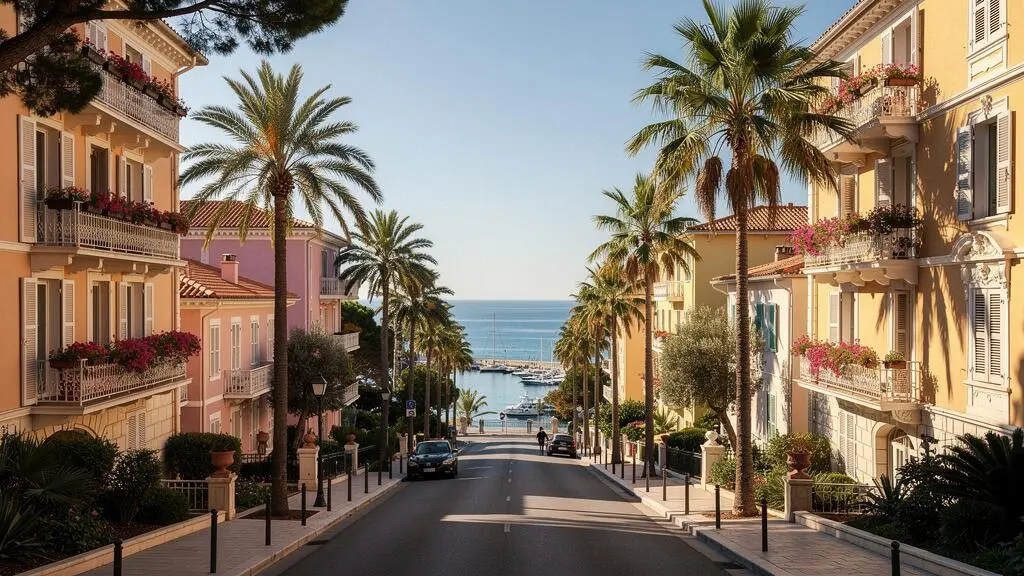
The geographic positioning between Cannes and Monaco provides diverse options within a compact area. A property in Nice places owners within 30 minutes of an international airport offering direct flights to North American hubs, while Antibes and Cannes provide varying balances between year-round urban amenities and seasonal resort atmosphere. This density of choice within a limited geographic radius allows buyers to refine location preferences through multiple site visits without extensive travel between disparate regions.
What legal requirements apply to foreign property buyers in France?
The most immediate concern for international buyers centers on whether nationality-based restrictions prevent or complicate property acquisition. French law provides clear guidance: non-residents and non-EU citizens can freely purchase real estate in France without requiring special permits, government approval, or paying premium taxes based on foreign status. According to Notaires de France, the official body representing the French notarial profession, any real estate investment requires examining the buyer’s nationality, country of residence, and marital property regime, but these factors affect legal structuring rather than purchase eligibility.
No restrictions on foreign ownership: France does not impose nationality-based limitations on property purchase. International buyers have the same legal rights to acquire real estate as French nationals, with no additional taxes or fees applied specifically because of foreign status.
The practical requirements for non-resident buyers focus on two key areas. First, opening a French bank account becomes essentially mandatory for handling property-related transactions, paying ongoing charges such as utilities and property taxes (taxe foncière), and receiving rental income if the property generates revenue. While not always a strict legal requirement for the initial purchase, attempting to manage French property ownership without a local bank account creates significant administrative complications.
Second, certain tax situations may require designating a fiscal representative (représentant fiscal) in France. This typically applies when non-resident owners generate French-source income from the property or when specific wealth tax situations arise. The fiscal representative acts as the point of contact with French tax authorities and ensures compliance with reporting obligations.
The fundamental difference between French and Anglo-Saxon property transactions lies in the notarial system itself. In France, the notaire functions as a neutral public official appointed by the Ministry of Justice, responsible for verifying legal compliance and protecting both buyer and seller. This contrasts sharply with the American system where each party retains separate attorneys as advocates, or the British model where solicitors represent their clients’ interests. The French notary cannot favor one party over another and serves primarily to ensure the transaction meets all legal requirements, authenticate documents, and properly register the property transfer.
Rare exceptions to unrestricted purchase exist for specific categories of property, particularly in protected coastal zones (zones protégées du littoral) or agricultural land subject to pre-emption rights (droit de préemption). For typical residential properties in established Côte d’Azur communities, these restrictions rarely apply, but verification during the preliminary due diligence phase ensures no surprises emerge during the formal transaction process.

Understanding the true cost: beyond the listing price
The most significant financial surprise for international buyers unfamiliar with French real estate transactions comes from notary fees (frais de notaire), which add approximately 7% to 8% to the purchase price of existing properties. According to the FNAIM (Fédération Nationale de l’Immobilier), approximately 80% of this amount consists of taxes and duties paid to the state and local authorities, with the notary’s actual remuneration representing only 10% to 20% of the total. This distinction matters because the substantial cost primarily reflects mandatory government registration taxes rather than professional fees.
The notary’s remuneration itself follows a regulated sliding scale established by ministerial decree, divided into four tranches based on property value, then subject to 20% VAT. This standardized structure means buyers cannot negotiate notary fees downward, but also ensures predictable costs across different notaries. The choice of notary should therefore rest on service quality, language capabilities, and experience with international transactions rather than price competition.
| Cost component | Existing property (ancien) | New construction (neuf) |
|---|---|---|
| Listed purchase price | €2,000,000 | €2,000,000 |
| Notary fees and registration taxes | €140,000–€160,000 (7–8%) | €40,000–€60,000 (2–3%) |
| VAT (TVA) | Not applicable (included in existing property taxation) | Included in listing price (20%) |
| Real estate agency fees | €60,000–€100,000 (3–5%, if not included in listing) | €60,000–€100,000 (3–5%, if not included) |
| Total acquisition cost | €2,200,000–€2,260,000 | €2,100,000–€2,160,000 |
Real estate agency fees (honoraires d’agence) typically range from 3% to 5% of the purchase price, but the critical question is whether these fees are included in the advertised listing price or added on top. French regulations require clear disclosure of whether the price is listed as FAI (frais d’agence inclus, meaning agency fees included) or whether fees will be added to the stated amount. International buyers should verify this distinction immediately when evaluating properties to avoid budget miscalculations.
Beyond acquisition costs, annual recurring expenses include the taxe foncière (property tax paid by owners), charges de copropriété (condominium maintenance fees for apartments and certain villa developments), property insurance, and utilities. The taxe foncière varies significantly by municipality, with Côte d’Azur communities generally commanding higher rates due to premium location values. Buyers should request specific taxe foncière amounts for any property under serious consideration rather than relying on regional averages.
Mandatory property diagnostics (diagnostics immobiliers) covering energy performance, asbestos, lead, termites, and other technical assessments add several thousand euros to transaction costs, though sellers typically commission these reports. International money transfer fees for moving purchase funds from foreign bank accounts to French accounts represent another practical cost, with specialized currency transfer services often providing better rates than traditional banks for large transactions.
All cost percentages and examples provided represent general market ranges based on current French regulations. Actual costs for any specific transaction depend on property value, location, transaction structure, and individual circumstances. Buyers should obtain detailed cost breakdowns from their notary and financial advisors before committing to purchase.
How to choose the right location on the Côte d’Azur for your needs
Location selection on the French Riviera requires balancing family lifestyle priorities, rental income potential, budget constraints, and practical accessibility for owners managing properties from overseas. Nice offers year-round urban amenities, international schools, cultural institutions, and a resident population that keeps the city active outside peak tourist season. This makes Nice neighborhoods particularly suitable for families planning extended stays or buyers seeking reliable long-term rental tenants rather than seasonal vacation letting.
Cannes represents the prestige positioning of the Côte d’Azur, with property values reflecting the city’s international reputation, major events calendar, and concentration of luxury services. Seasonal rental yields in Cannes can substantially exceed Nice, particularly for properties offering sea views and proximity to the Croisette, but occupancy concentrates heavily in summer months and during major festivals. Buyers prioritizing rental income maximization often favor Cannes, accepting the corresponding premium on acquisition costs.
Antibes and the Cap d’Antibes peninsula provide a middle ground, combining family-friendly residential neighborhoods, international school access, beaches suitable for children, and strong rental demand from both seasonal vacationers and longer-term residents. The town’s position between Nice and Cannes offers convenience for airport access while maintaining a more residential character than either larger city.
Properties in communities near Monaco command premium prices due to the principality’s tax advantages for residents, concentration of wealth, and international business activity. However, buyers should distinguish between Monaco residency (which requires actually living in Monaco and meeting specific criteria) and simply owning property in nearby French communities, which provides no Monaco tax benefits.
The arrière-pays (backcountry) villages inland from the coast offer authentic Provençal character, lower per-square-meter prices, and appeal to buyers prioritizing tranquility over beach proximity. These locations require careful consideration of accessibility, as winding mountain roads and distance from Nice airport can complicate frequent short visits from overseas.
For international buyers managing properties remotely, proximity to Nice Côte d’Azur Airport becomes a practical priority rather than mere convenience. The ability to reach a property within 30 to 45 minutes of landing significantly reduces the friction of ownership for buyers based in North America or other distant locations. Similarly, the presence of English-speaking property management services, maintenance contractors, and local support networks varies considerably across different Côte d’Azur communities.
The French property purchase timeline: from offer to ownership
The most critical distinction in French real estate transactions, and the source of the most significant misunderstandings among international buyers, involves the difference between the compromis de vente (preliminary sale agreement) and the acte authentique (authentic notarized deed). The compromis de vente is not an exploratory or provisional agreement—it is a legally binding contract that commits both parties to complete the sale under the specified terms, subject only to explicitly stated contingency clauses (conditions suspensives).
The compromis de vente creates binding obligations: Many international buyers mistakenly treat the compromis as equivalent to making an offer or entering preliminary negotiations. In reality, signing the compromis legally commits you to purchase the property except in very specific circumstances defined by contingency clauses. This approximates the “under contract” status in American real estate rather than an exploratory phase.
According to the official notarial network, buyers benefit from a 10-day cooling-off period (délai de rétractation) beginning from the date they sign the compromis de vente. During these 10 calendar days (including weekends and holidays), buyers can withdraw from the transaction freely, without providing justification and without financial penalty. The deposit (dépôt de garantie) must be refunded within 21 days if withdrawal occurs within this legal timeframe.
After the 10-day cooling-off period expires, withdrawal becomes possible only through the contingency clauses written into the compromis. Standard conditions suspensives include mortgage approval (if financing is required), verification that no right of first refusal (droit de préemption) applies from municipal authorities or tenants, confirmation of property boundaries, and validation of urban planning compliance. The compromis typically allows two to three months for these contingencies to be satisfied before the final acte authentique signature.
- Offer acceptance and initial agreementThe seller accepts your offer, establishing the purchase price and basic terms. This stage involves minimal legal commitment and allows for negotiation.
- Compromis de vente signatureBoth parties sign the preliminary sale agreement, typically at the notary’s office or through a real estate agent. This creates legally binding obligations and triggers the cooling-off period. A deposit of 5% to 10% of the purchase price is paid into escrow.
- 10-day cooling-off periodBuyers can withdraw freely during the 10 calendar days following compromis signature without penalty or justification. This period protects purchasers from rushed decisions.
- Conditions suspensives validation periodThe 2 to 3 month period during which contingency clauses must be satisfied. The notary conducts legal due diligence, verifies property titles, checks for liens or easements, and confirms urban planning compliance. If financing was made a contingency, the buyer must secure mortgage approval during this phase.
- Acte authentique signatureThe final notarized deed is signed in the notary’s presence, transferring legal ownership. The balance of the purchase price is paid, and the buyer receives the keys. This typically occurs 2 to 3 months after the compromis, though complex situations may extend the timeline.
- Cadastral registrationThe notary registers the ownership transfer with the French land registry (cadastre), completing the legal process. The new owner is now the official proprietor recognized by French authorities.
The French two-step structure deliberately separates the commitment phase (compromis) from the final transfer (acte authentique), allowing time for thorough verification while binding both parties to complete the transaction barring legitimate legal impediments. This differs from Anglo-Saxon practices where the period between offer acceptance and closing often involves continued negotiation, inspection-based price adjustments, and relatively easy withdrawal. French sellers rely on the binding nature of the compromis to take their property off the market with confidence, making the preliminary agreement substantially more consequential than foreign buyers often realize.

Do you need a French bank account and local financing?
Opening a French bank account represents a practical necessity for property ownership even when not strictly required by law for the initial purchase transaction. Ongoing property expenses including utilities, insurance premiums, property taxes (taxe foncière), and condominium charges (charges de copropriété) are most efficiently paid through French banking infrastructure. Similarly, if the property generates rental income, French tax authorities expect this income to flow through a French account for proper reporting and taxation.
International buyers can open French bank accounts as non-residents, though requirements vary by institution. Major French banks with international departments typically require proof of identity (passport), proof of foreign address, and justification for opening the account (the property purchase compromis or final deed serves this purpose). Some banks impose minimum balance requirements or monthly fees for non-resident accounts, making comparison shopping worthwhile.
The question of whether to seek French mortgage financing or purchase with cash depends on strategic financial considerations rather than simple availability. French banks do offer mortgages to non-resident foreign buyers, but with stricter conditions than those applied to French residents. Typical requirements include down payments of 30% to 40% of the purchase price, comprehensive income verification from the buyer’s home country, and often a preference for buyers with existing ties to Europe such as EU citizenship, European business activities, or substantial European financial assets.
Interest rates for non-resident mortgages generally exceed rates offered to French residents by several percentage points, reflecting the additional risk profile from the lender’s perspective. However, the absolute level of French mortgage rates, the potential tax deductibility of interest (depending on the buyer’s home country tax situation and whether the property generates rental income), and the opportunity to preserve liquidity rather than committing large amounts of cash to a single asset can make financing attractive despite the premium.
American buyers specifically should consult cross-border tax advisors about the interplay between French mortgage interest, potential rental income, U.S. tax obligations on worldwide income, and foreign tax credits. The analysis involves comparing French mortgage rates against the after-tax cost of alternative financing in the United States, currency exchange risk over the life of the loan, and estate planning implications of holding French property with associated debt.
International money transfers for large property purchases require attention to timing, exchange rates, and anti-money laundering compliance. Transferring €2 million or more from a U.S. bank account to a French notary’s escrow account involves substantial currency conversion costs if handled through traditional banking channels. Specialized currency transfer services focusing on large transactions often provide better exchange rates and lower fees than retail banks, but buyers must allow adequate time for compliance verification, which can require several days or weeks for first-time large transfers.
Assembling your professional team: notary, agent, and legal advisors
The notary’s role in French real estate transactions is mandatory and non-negotiable, but international buyers face an important choice regarding language capability and experience with cross-border transactions. Since notary fees follow a legally fixed scale, selecting a notary based on price competition is impossible. Instead, the critical factors involve bilingual communication ability, experience handling non-resident buyer transactions, familiarity with international tax coordination, and responsiveness to questions from clients managing the process remotely.
A bilingual notary or a notary with bilingual staff members provides invaluable assistance in explaining legal documents that will ultimately be drafted in French according to French legal terminology. Even buyers with conversational French proficiency benefit from professional explanation of technical legal concepts, contract clauses, contingency conditions, and obligations created by the compromis and acte authentique. The notary cannot serve as the buyer’s advocate or provide strategic advice favoring the buyer over the seller, but clear communication about the legal framework itself protects buyers from misunderstandings with potentially costly consequences.
Real estate agents specializing in international clientele bring language skills, cultural bridge-building, and practical knowledge of communities that match different buyer priorities. When selecting an agent, verify their experience with the specific type of property and location you’re pursuing, understand whether they represent the seller exclusively or can work with buyers, and clarify the fee structure including whether agency fees are included in listing prices or added as buyer premiums.
- How many transactions have you completed with non-resident international buyers in the past two years?
- Can you provide references from American, British, or Canadian clients who purchased similar properties?
- What is your response time for email and phone inquiries, accounting for time zone differences?
- Do you work with a network of English-speaking notaries, tax advisors, and property managers?
- How do you handle property viewings and due diligence when buyers cannot be present in France?
- What is your fee structure, and is it included in the listing price or added separately?
International tax advisors with expertise in both French property taxation and the buyer’s home country tax system represent an essential investment for any significant Côte d’Azur purchase. The complexity of coordinating French property taxes, potential rental income taxation in both countries, wealth tax considerations (France’s IFI tax on real estate wealth above certain thresholds), U.S.-France tax treaty provisions for American buyers, and eventual succession planning requires specialized professional guidance. Attempting to navigate these issues without expert advice frequently results in missed tax optimization opportunities or, worse, compliance failures with costly penalties.
While not mandatory, engaging a French-speaking attorney in addition to the notary can provide additional protection for particularly complex transactions, buyers concerned about specific legal risks, or situations involving family wealth structures, trusts, or corporate ownership entities. The attorney can review contracts before signature, provide strategic advice the neutral notary cannot offer, and coordinate with the buyer’s home country legal advisors on cross-border legal structures.
Property management companies that cater to international owners become particularly valuable for buyers planning to rent the property when not using it personally. These firms handle tenant screening, rental marketing, maintenance coordination, emergency response, and financial reporting in English while managing day-to-day operations in French. The cost of professional management typically ranges from 10% to 15% of rental income, but the operational burden of remote property management from another continent makes this expense worthwhile for most international owners.
Taking the next step with confidence
Purchasing property on the French Riviera as an international buyer involves navigating a legal system structured differently from Anglo-Saxon property transactions, understanding cost structures that extend well beyond listing prices, and assembling a team of bilingual professionals who bridge linguistic and cultural gaps. The process is not opaque or inaccessible, but it rewards buyers who invest time in understanding the fundamental differences between French notarial procedures and the real estate practices familiar in other countries.
The three core principles that transform anxiety into confident action remain consistent across all French Riviera property purchases: recognizing that the compromis de vente creates binding obligations rather than provisional exploration, budgeting comprehensively for the 7% to 8% notary fees and other transaction costs that add substantially to listing prices, and selecting bilingual professionals with demonstrated experience serving international buyers navigating cross-border transactions.
For buyers evaluating property markets across multiple Mediterranean destinations or European regions, understanding the French approach provides a valuable framework for comparison. The transparency of notary fee schedules, the rigor of legal due diligence conducted by neutral public officials, and the structured timeline from compromis to acte authentique create predictability that helps offset the initial complexity. Many aspects that appear bureaucratic from an outside perspective ultimately serve to protect buyers from the legal disputes, title defects, and post-purchase surprises that can plague real estate markets with less formal verification procedures.
The decision to purchase property on the Côte d’Azur typically reflects multiple motivations beyond simple investment return calculations: lifestyle enhancement, family gathering space, cultural engagement with Mediterranean Europe, portfolio diversification beyond dollar-denominated assets, and sometimes eventual retirement planning. If you are exploring similar considerations in other parts of France, you may find useful perspective in this international buyers guide to Aix real estate, which addresses comparable cross-border purchase considerations in a different Provençal market.
Your next concrete step involves identifying whether your timeline, budget parameters, and location preferences align with current French Riviera market conditions. This requires engaging bilingual real estate professionals who can provide specific property options matching your criteria, introduce you to experienced notaries familiar with international transactions, and connect you with cross-border tax advisors who understand both French property taxation and your home country’s tax treatment of foreign real estate ownership. The administrative complexity that initially appears daunting becomes manageable when supported by professionals who have guided hundreds of international buyers through exactly the same process.